
If you need to finish or update your connection with BBWSD, click the form below:
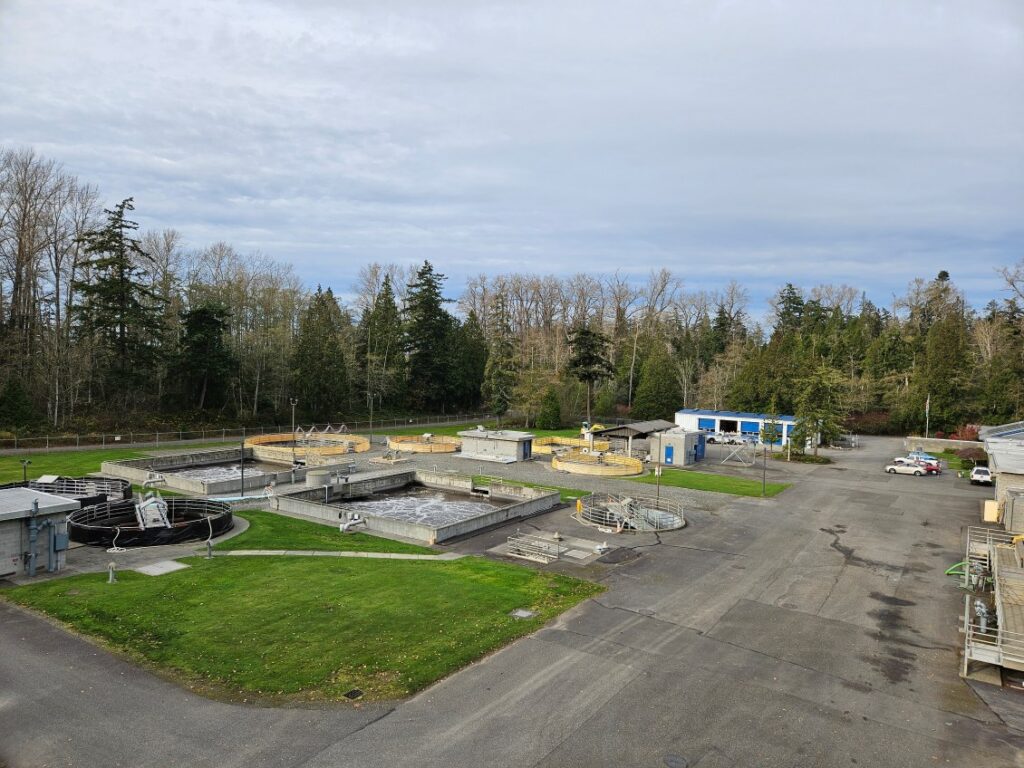
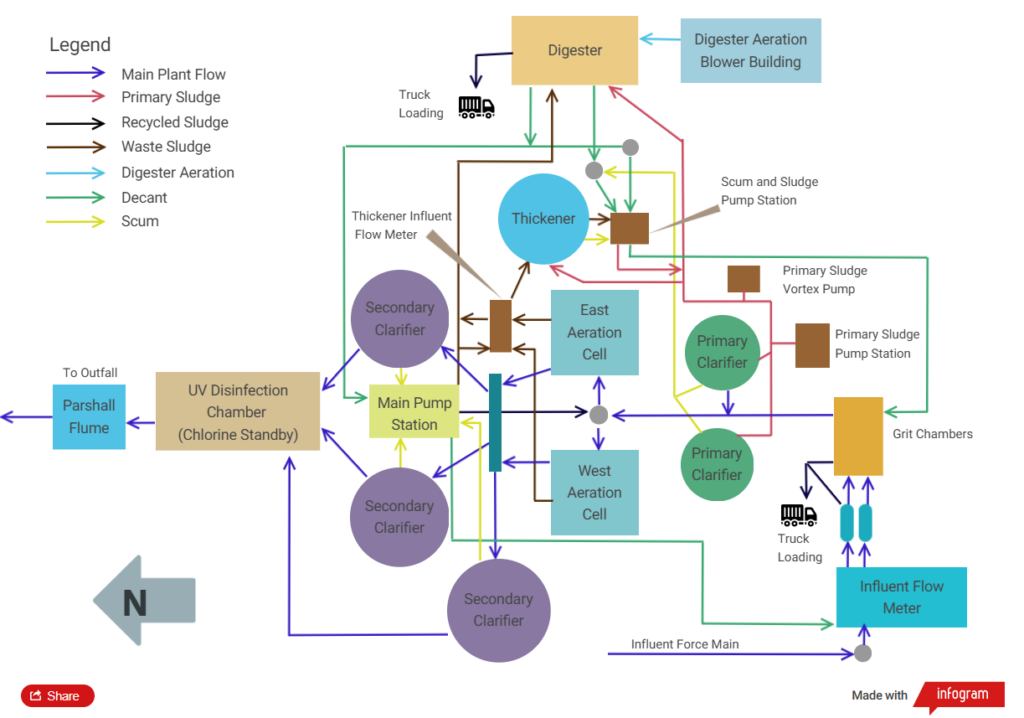
The District owns and operates a secondary activated sludge wastewater treatment plant (WWTP) with the capacity to treat a maximum monthly average daily flow of 1.44 million gallons.
In addition to the WWTP, the system consists of 50 miles of pipe, 900 manholes, and 11 pump stations.
The discharge outfall is located roughly 2,000 ft west of Point Whitehorn, into the Georgia Strait.
Treatment System:
The treatment plant was constricted in the mid-1970’s but upgraded in 2013 to include new headworks facility, 3mm rotating drum screens, and a vortex grit removal system.
In 2016, a new fine bubble diffuser system in the aeration basins with upsized blowers were installed.
Fat Oils and Grease:
What is FOG?
Fats, oils and grease (FOG) are an expensive problem for sewer systems. Cooking grease coats pipelines similar to the way that fatty foods clog human arteries. The grease clings to the inside of the pipe-lines, eventually causing complete blockage. By doing your part at home, you can help to keep the District sewer system running efficiently.
FOG includes animal fats, vegetable fats and oils used to cook and prepare food. FOG in liquid form may not seem harmful, but as it cools it congeals, hardens and sticks to the inner lining of drainage pipes.
FOG Build-up Can Cause:

- Raw sewage to overflow and back-up into households and businesses
- Increase sewer rates due to expensive clean-ups and repairs of clogged pipes and pump stations
Sources of FOG:
- Food Scraps
- Meat fats
- Lard
- Oil (frying, cooking or salad)
- Margarine, butter, baking goods, sauces and dairy products
Things You Can DO!
- SCRAPE grease and food scraps from dishes, pots/pans and utensils and dispose in the trash or food waste bin.
- POUR fats, oils and grease into an empty glass jar or coffee can. Once the materials have cooled, solidified and the container is full secure it with a lid and dispose of it in the trash.
- USE the trashcan to dispose of FOG, not the drain or garbage disposal